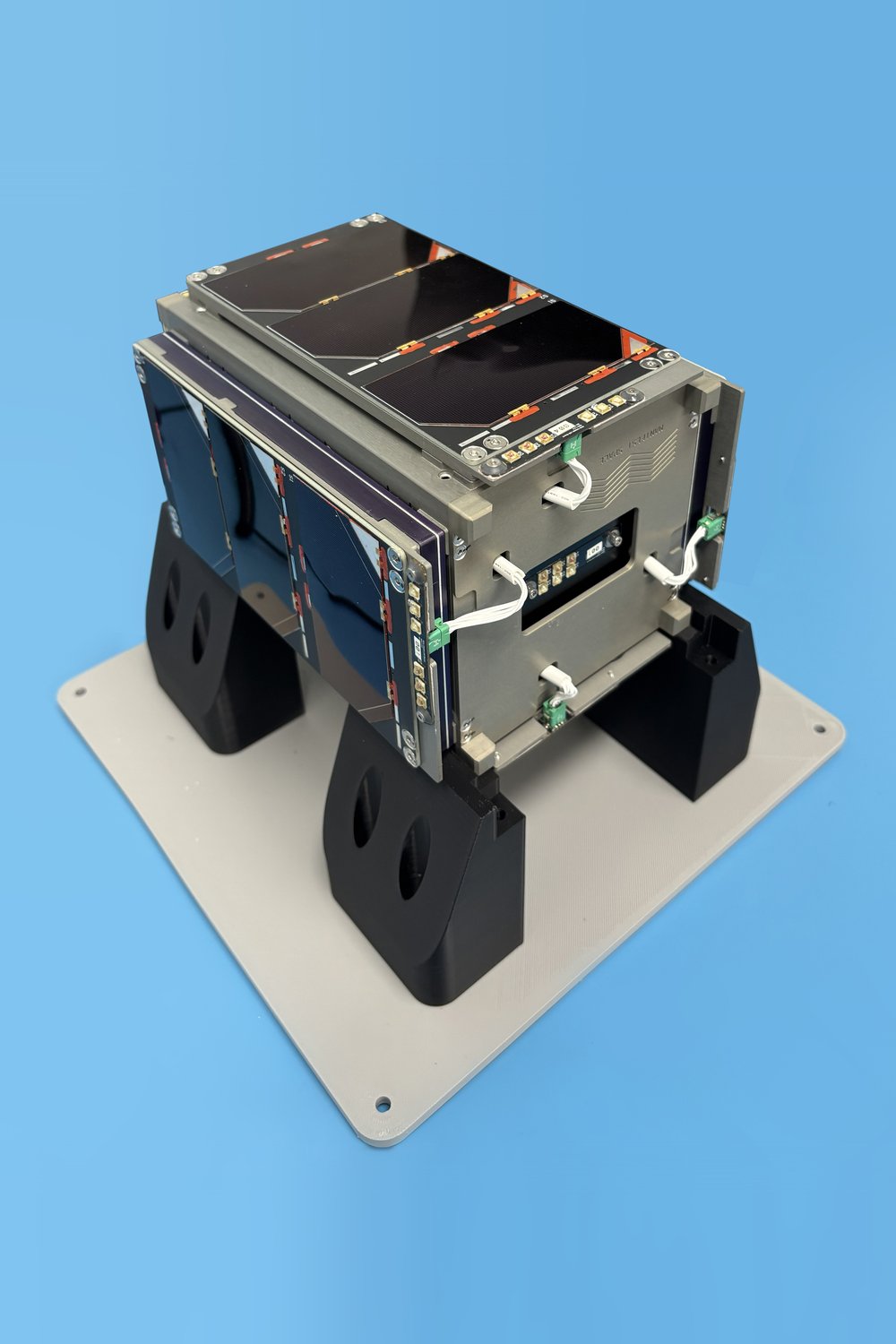
Knoxville spent the last weekend of February hosting something Tennessee hadn't seen before: a student-run, national space technology conference. The inaugural Student Space Technology Conference (SSTC), hosted by the Student Space Technology Association (SSTA) and powered by Type One Ventures, brought together students, founders, and space professionals from across the country for two days at the University of Tennessee, Knoxville. By the organizers' own count afterward, it drew more than 240 students and professionals from 27 universities and 20 startups and VCs — for a first-year event, that's a real turnout.
Why a Student-Led Conference
SSTC exists because of a problem its founders had lived through themselves: students are told to network their way into the space industry, then priced out of the events where that networking actually happens. Space tech is a fast-growing commercial industry, but expensive, inaccessible conferences mean most students never see the full landscape — startups, government programs, research pathways, and venture-backed companies shaping what comes next. SSTA built SSTC specifically to fit inside a student's budget while still bringing in the people actually hiring and funding in this industry. It's the conference the founders said they wished they'd had as students themselves.
Two Days in Knoxville
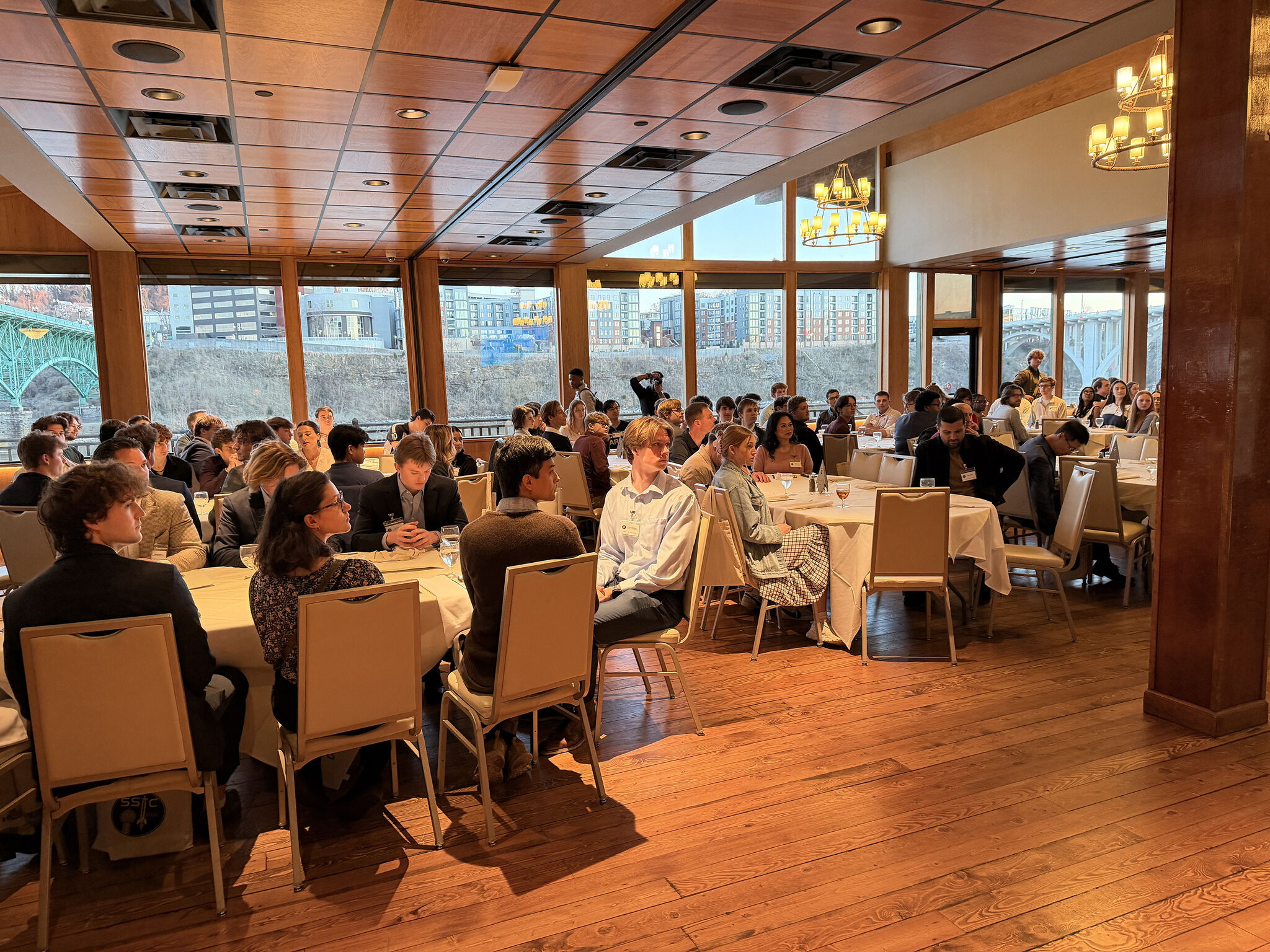
The weekend opened Friday evening with an invite-only welcome dinner at Calhoun's on the River, a Knoxville staple on the Tennessee River, packed with students from across the country alongside faculty and industry professionals. The keynote came from Stephen Renick, Program Manager for Electrification Programs at GM Defense, who shared the vision behind the Artemis Lunar Terrain Vehicle partnership with Lunar Outpost, Leidos, and MDA Space.
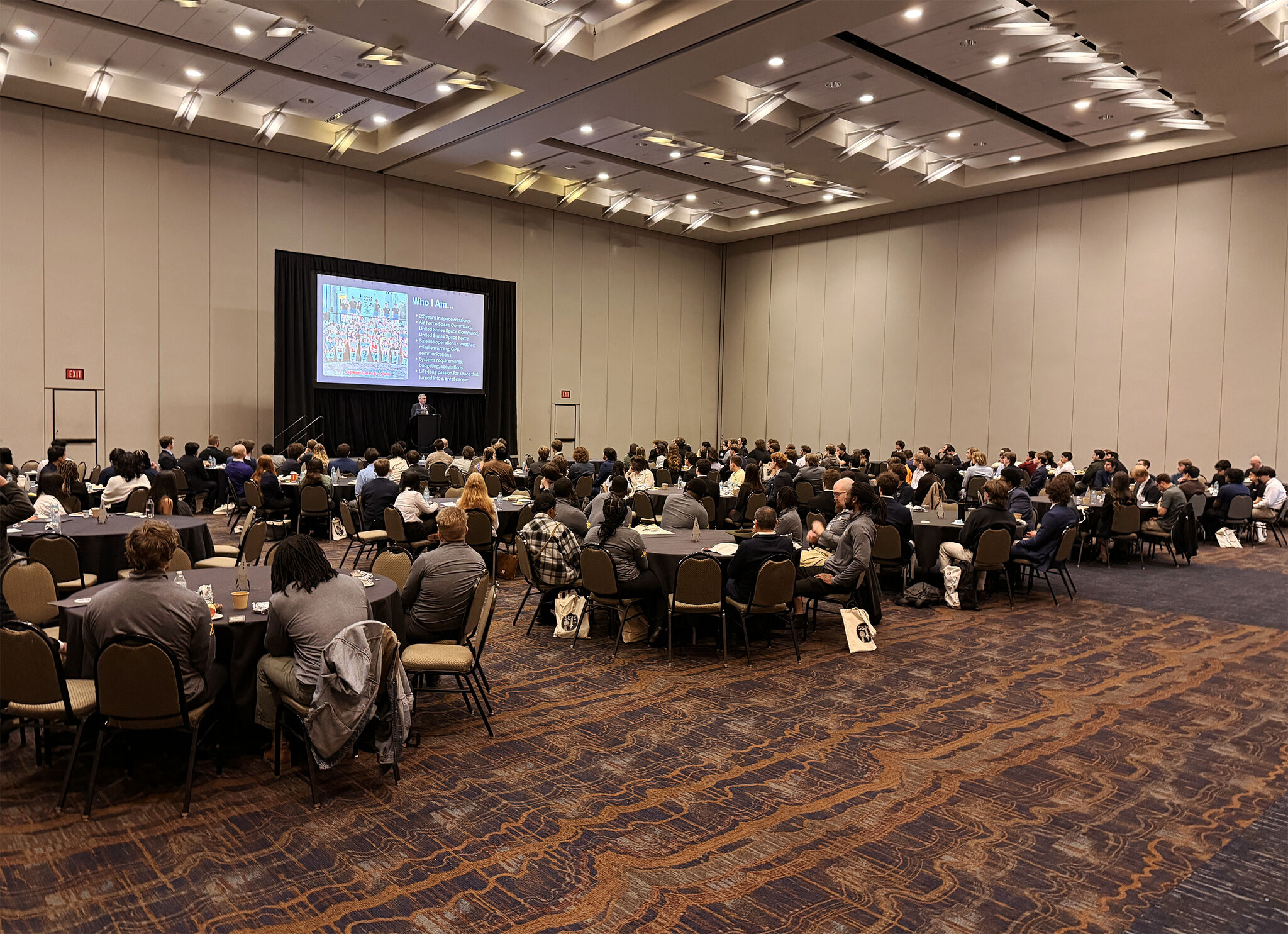
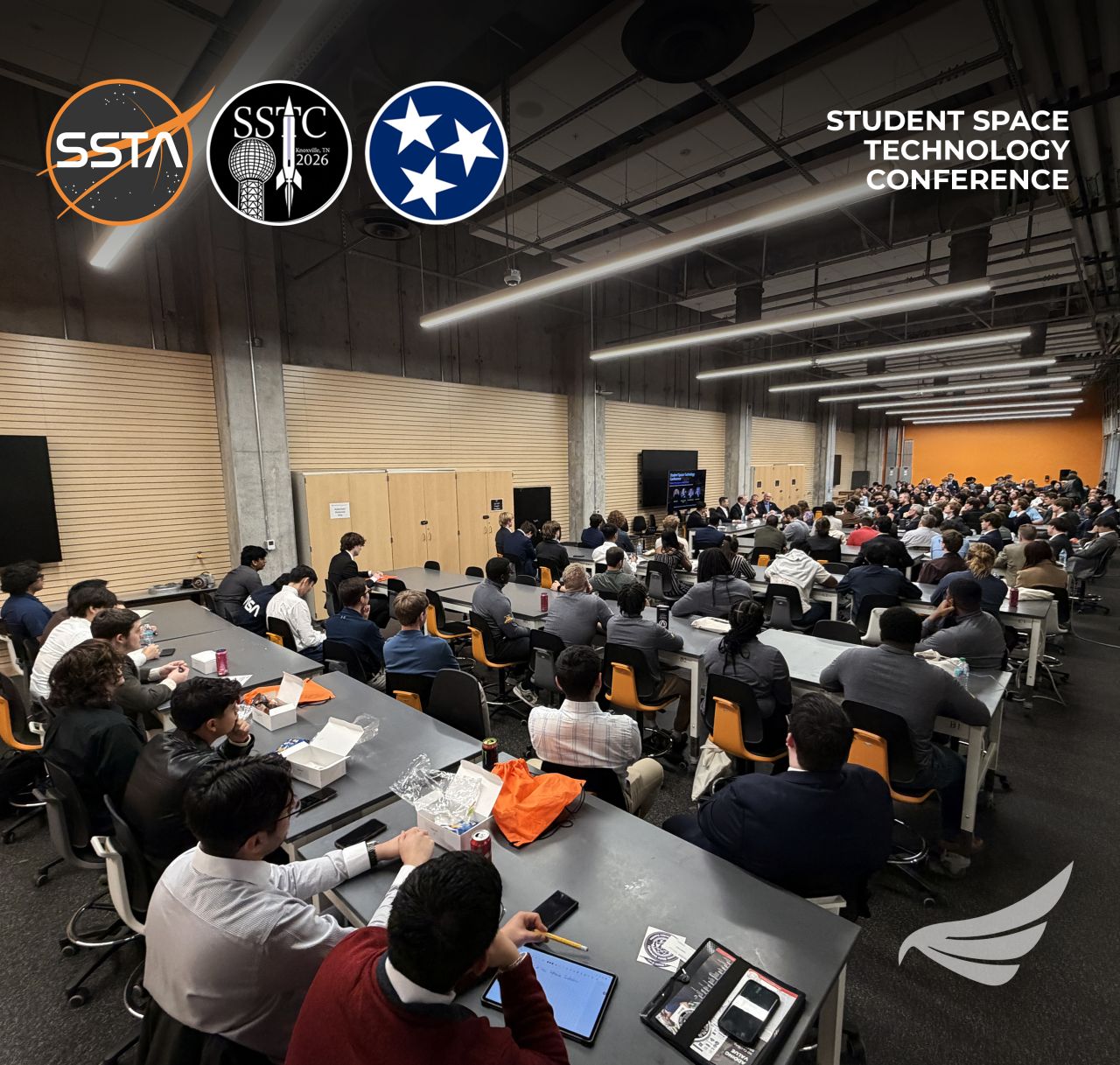
Saturday was the main event, starting at the Knoxville Convention Center with a keynote from Brig. Gen. Damon Feltman, President and CEO of the Space Force Association, speaking on spacepower and U.S. space superiority for economic and national security. Student teams then presented their project-competition submissions — judges singled out teams from North Carolina State University, the University of Georgia, and UT Knoxville for technical work with real engineering depth and confidence behind it. An industry exhibit hall followed, and the conversations there went well past the usual "space is cool" small talk: founders and students got into specifics like power budgets, onboard computer architecture, programming languages, integration constraints, and the practical path from a student project to an actual flight opportunity.
At midday, the conference moved to UT's Zeanah Engineering Complex for a project expo — a poster-session-style showcase of rockets, robots, and subsystems student teams had built over the academic year — followed by an afternoon of overlapping breakout panels: Advanced Propulsion Systems, Space Startups, Policy & Defense, the LEO Economy, Hypersonics, and Satellite Standardization — alongside the individual State of the Space Industry panel. The day closed with a student awards dinner at the Sunsphere and a separate industry dinner downtown.
Who Showed Up
The State of the Space Industry panel set the tone: NASA's Dr. Kurt Polzin, capability manager for advanced propulsion, joined Ryan Kriser of Type One Ventures, Maj. Gen. John Olson of the Defense Innovation Unit, and Dr. John Schmisseur of the University of Tennessee Space Institute for a discussion on where space technology stands today and where it's headed. The conference's broader list of supporters reads like a cross-section of the industry: NASA, the U.S. Air Force, Space Force, Lockheed Martin, SpaceX, the Defense Innovation Unit, the Space Force Association, Blue Origin, Axiom Space, Voyager Space, Gravitics, and more, alongside Tennessee's own 615.vc as a sponsor. Blackwing Space had a presence of its own, too, sponsoring and exhibiting.
Why This Matters for Tennessee's Space Corridor
We've written before about the idea of a Southern Space Corridor — Nashville, Knoxville, and the rest of the region building real infrastructure for the commercial space economy rather than just talking about it. SSTC is exactly the kind of thing that makes that idea concrete: a student-led organization building a national-caliber gathering from scratch, in Knoxville, with NASA, Space Force, and major primes willing to show up for it. It's also a direct answer to the access problem its founders set out to fix — the people who will eventually run Tennessee's space companies got to sit across the table from the people funding and hiring for them, without a price tag built for industry expense accounts.
By the organizers' own account, this was meant to be the first of many — and it already is: SSTC 2027, presented by Lockheed Martin, is set for February 26-27, 2027, back in Knoxville. That gives Tennessee something few states have: a recurring, national-draw event that puts the next generation of space engineers in the same room as the people hiring them — right here. Full details are at ssta.club/conference.